The scene
Apple announced HomeView on 13 October 2026 as part of its “Welcome home” launch. Pre-orders opened the same day, with both the tabletop and wall-mounted models going on general sale on 13 November 2026. It is available to pre-order now in the UK.
I have not held one yet. What follows is my reading of the announcement, the specs and what the device actually promises for families running an Apple household. This is not a full review. I will follow up once I have had hands-on time with it.
First impression
HomeView is Apple’s answer to the Amazon Echo Show and the Google Nest Hub, a category it has left to competitors for years. Apple has had a mixed history in the smart home space, with the HomePod struggling to match the popularity of competing devices. On paper, this is a serious attempt to catch up, and the family angle is the most interesting part.
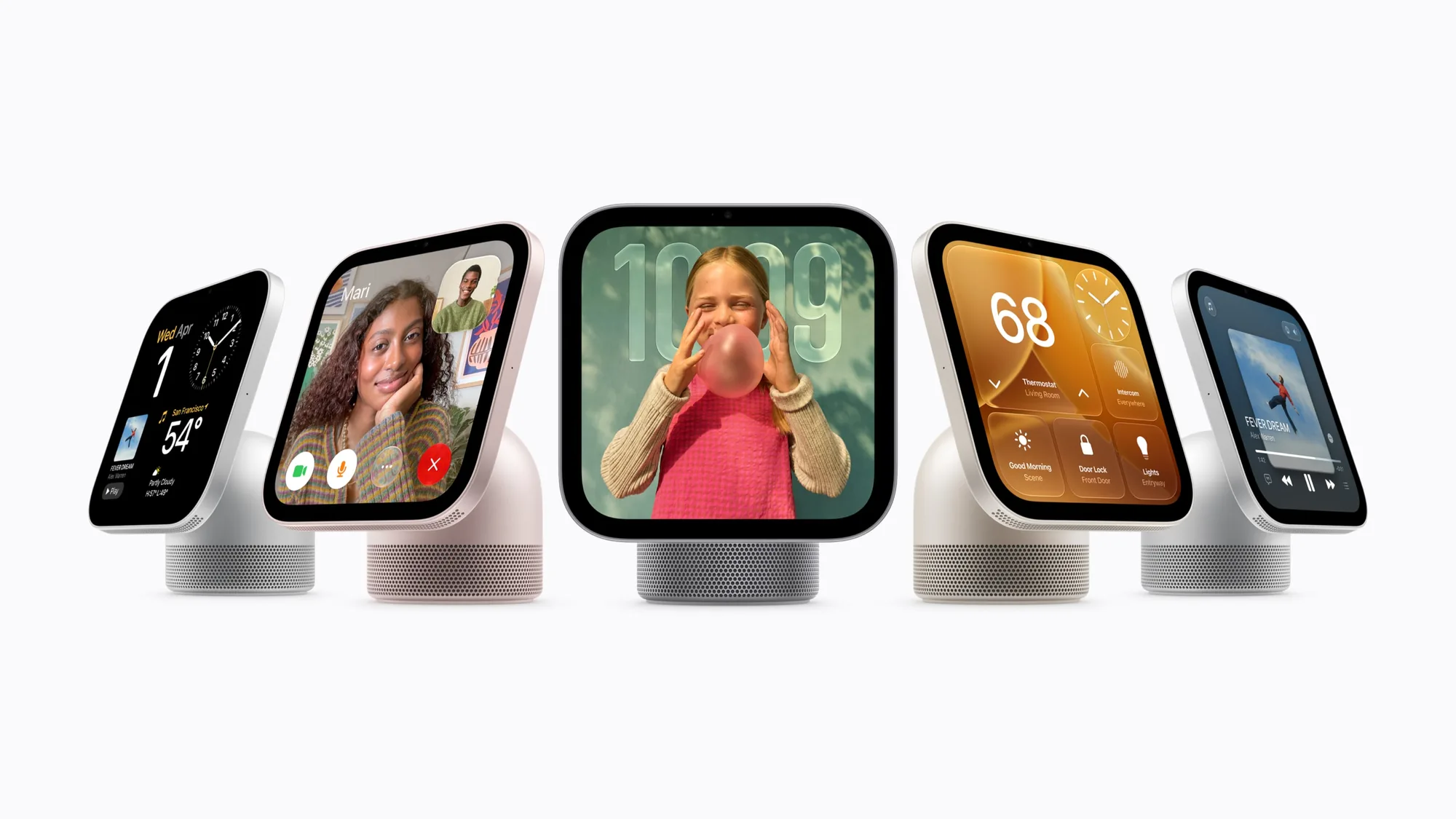
The headline feature is face recognition for up to six household members. Apple says each recognised person gets their own Home Screen, their own apps and widgets, and access to their own Messages, Calendar, Reminders and FaceTime, while shared photo albums and music stay visible to everyone. If someone walks away, anyone approaching gets a lock screen. Guests without an Apple Account can still check the weather, set timers, control smart home accessories and play music without touching anyone’s personal information.
That combination of shared household utility and individual privacy is something Amazon and Google have never quite nailed on their smart displays. Whether Apple has actually nailed it is something I will need to test.
The price is £299 in the UK ($299 in the US), confirmed by multiple sources. That applies to both the tabletop and wall-mounted versions.
What stood out
The hardware is well thought through. The 7-inch Liquid Retina display sits on an aluminium body connected by a stainless steel tilting hinge to a domed speaker base. Brightness adjusts automatically from 500 nits down to 0.3 nits for bedside use, and True Tone shifts the colour temperature to match the room lighting. The display also changes what it shows depending on how far away you are, giving a simpler glanceable view from across the room and more detail as you walk up. That sounds genuinely useful in a kitchen or hallway.
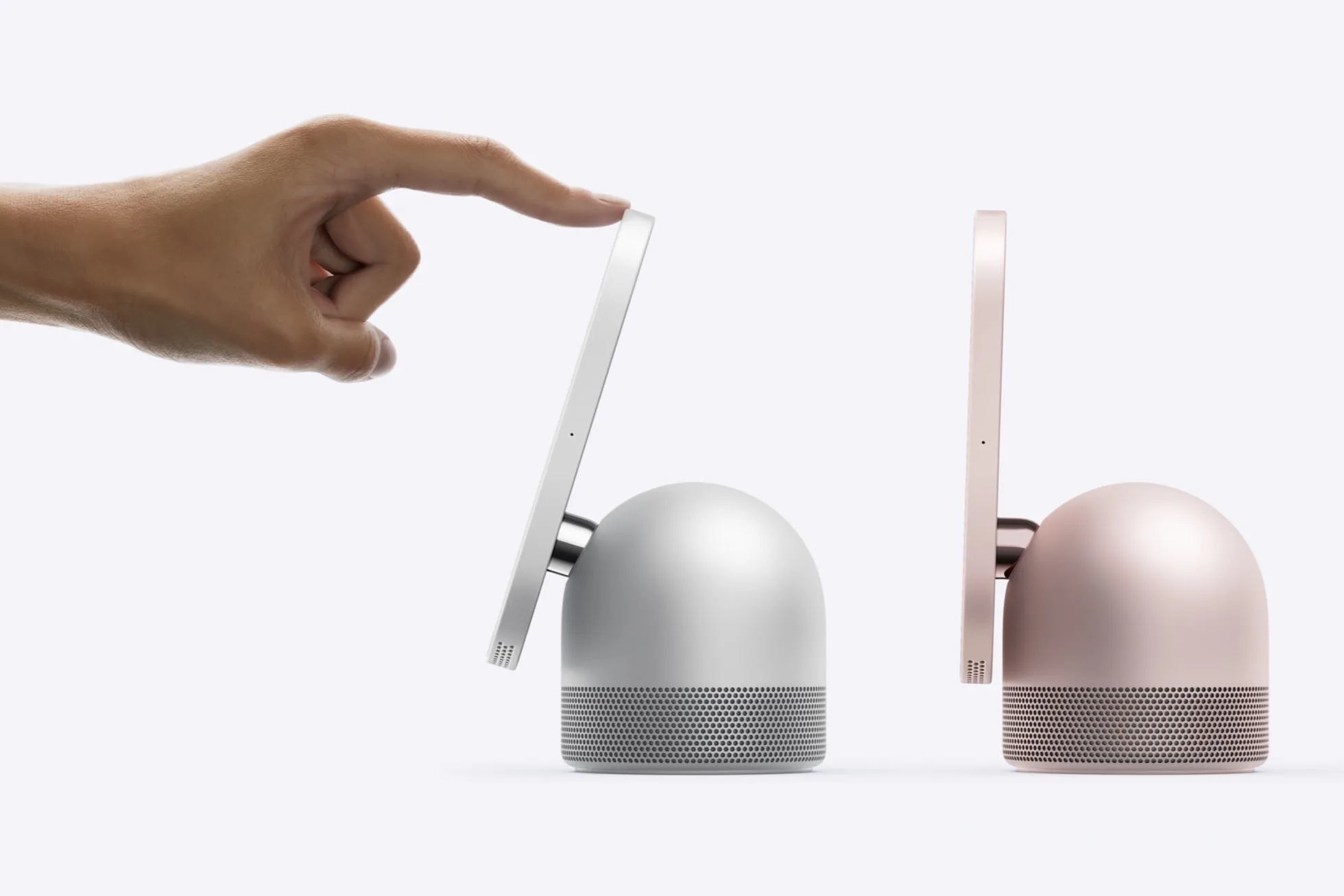
For sound, the tabletop model has two drivers in the display, a down-firing woofer and two passive radiators in the base, plus Spatial Audio and computational audio via the A18 chip. The wall-mounted version is tuned differently, with two custom drivers optimised for on-wall placement. The A18 chip automatically adjusts audio based on the display’s tilt angle to compensate for surface reflections.
Siri AI is still in beta. This is worth flagging plainly. According to iClarified, Siri AI is labelled beta in software version 27.2. The conversational features, general knowledge and music discovery work without a paired Apple Intelligence device, but accessing personal information across Messages, Calendar and other apps requires a compatible iPhone or iPad running the latest software with Siri AI enabled. If you are not on Apple Intelligence hardware yet, you will get a limited version of the assistant Apple is promoting most heavily.
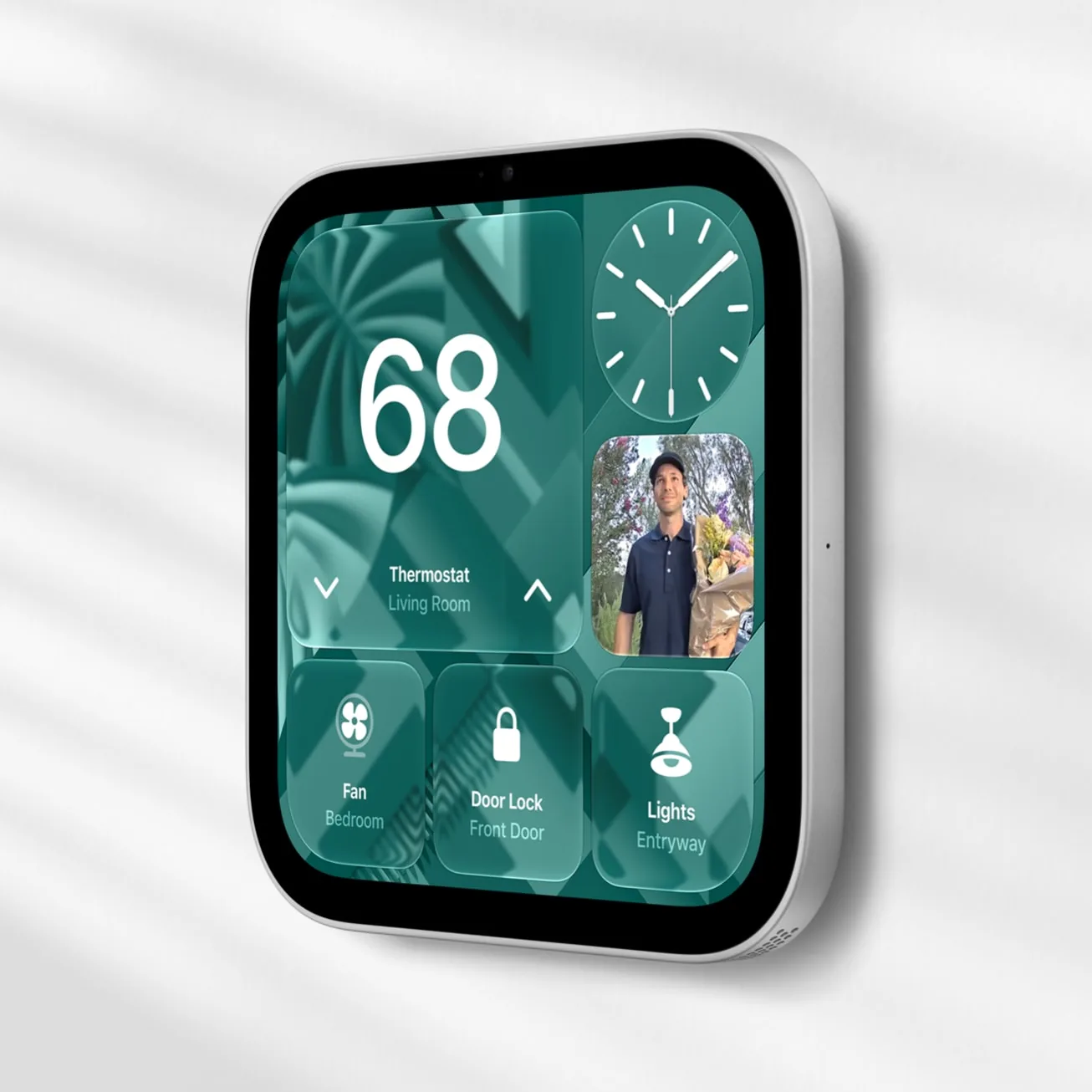
The smart home dashboard is comprehensive. Apple says HomeView can show up to nine camera feeds at once, control lights, heating, locks and blinds by touch or voice, and supports Matter accessories. The new Apple Home Collection, a range of cameras, thermostats and a smart lock made with LG and Schneider Electric, arrives from December, which is after the device goes on sale.
Privacy is handled at the chip level. Camera and microphone data is processed in isolated Secure Exclaves on the A18 chip, meaning the HomeView software, apps, users and Apple cannot access it. Siri requests run on-device or via Apple’s Private Cloud Compute without storing data. For anyone who has worried about what their smart devices are really doing with their data, that architecture is worth understanding. I have written more about this kind of thing in AI and Privacy: What Your Smart Devices Are Really Doing With Your Data .
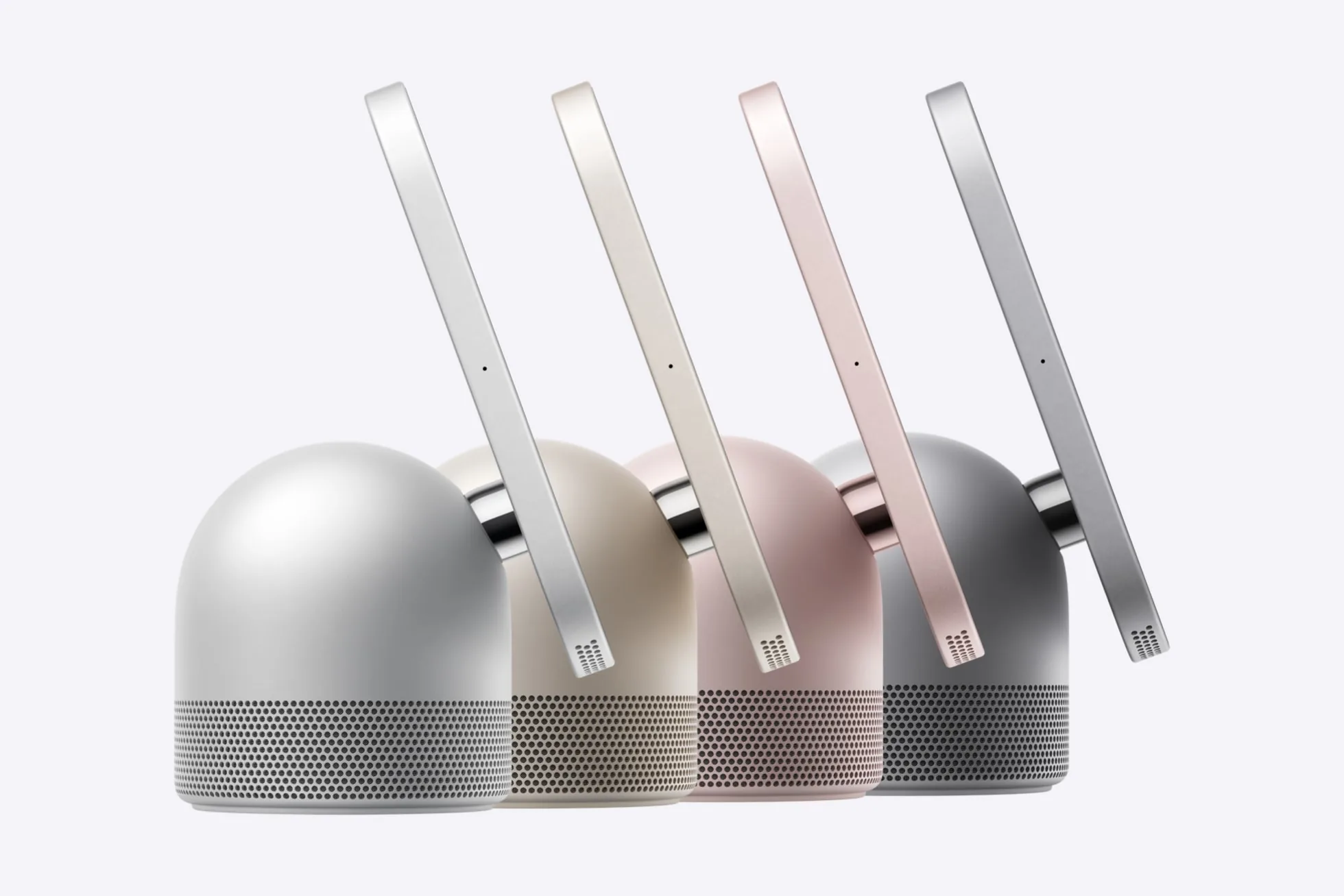
The colours and finish matter here. The tabletop comes in silver, starlight, rose pink and space grey. The wall-mounted version comes in space grey and silver. Small detail, but this is a device that lives on your kitchen counter or bedroom wall, not inside a router cupboard.
What is still unknown
Several things I cannot tell you yet.
Siri AI is in beta. How reliably it handles conversational context, personal information and multi-user switching in daily use is the question no announcement can answer. The face recognition system also needs real-world testing across different lighting conditions and household setups.
The wall-mounted model needs one of three Schneider Home power mounts. The USB-C version starts at $59.95 and the AC wired version at $79.95 (both US pricing). A Power over Ethernet mount is listed for early 2027 at $129.95. UK pricing for the mounts has not been confirmed.
The Apple Home Collection accessories land in December, a month after the device. If you are buying HomeView specifically for the new cameras and lock, you will be waiting.
There is no App Store for HomeView yet. Third-party apps are described as a select set. How quickly that expands matters if you use anything outside Apple’s own ecosystem.
Setup requires a compatible iPhone or iPad. If you are on Android or outside the Apple ecosystem entirely, this device is not for you.
HomeView will not be sold in the EU because Siri AI is not yet available there. UK buyers are not affected, and Siri AI works in English here. But worth knowing if you have family in Europe expecting to order one.
What is next
I will be ordering one to test properly ahead of a full write-up. The things I want to put time into are the face recognition reliability, Siri AI’s usefulness against real family schedules and messages, and how the audio holds up compared to a standalone HomePod in the same room.
If you are comparing this to what is already out there, my breakdown of smart speakers in 2026 covers the Amazon Echo and Google Nest alongside HomePod, which gives useful context for where HomeView sits in the market.
Pre-orders are open now at apple.com at £299 for both the tabletop and wall-mounted versions. General sale begins 13 November 2026.