First impression, not a full review. No hands-on time with this product has been logged by Tech Dads Life at the time of writing. What follows is based on Meta’s official announcement and reporting from journalists who briefly handled the frames at Connect 2026 on 23 September 2026. A full assessment will follow once I have spent proper time with a pair.
The scene
Meta’s Connect 2026 conference had barely finished when the headlines landed, and for once they were not about cameras. The Ray-Ban Meta Audio is Meta’s first pair of AI glasses built without one. No lens camera. No recording indicator light. No footage of strangers in the background of your Reels.
The timing is not subtle. Over the past year, camera-equipped smart glasses that look indistinguishable from regular spectacles have been at the centre of a genuine and escalating row about covert filming. Engadget noted that Meta may be trying to sidestep the “pervert glasses” label that many have given to wearables with a camera. Audio has consistently been the most-used feature among existing Ray-Ban Meta wearers, according to the companies, whether for music, podcasts, calls or interacting with Meta AI.
Meta’s own position, to be fair, is not that this pair is a crisis response. The company says audio has been the most popular feature on its smart glasses since the beginning, and that the Ray-Ban Meta Audio simply leans into that. That may well be true. But announcing a camera-free model while dealing with ongoing criticism is a convenient alignment of interests, and it is reasonable to read it that way.
First impression
Based on what was confirmed at Connect 2026 and reported by journalists who briefly wore a pair at the event, the glasses make a credible case on paper.
At 43 grams, they are lighter than any other Ray-Ban Meta model. Meta’s camera-equipped variants weigh around 50 grams, with the Display glasses reaching roughly 70 grams, so removing the camera hardware has a meaningful effect. For something you are wearing on your face for a full day, that difference is worth noting.
Battery life is quoted at up to 12 hours on a single charge. Add the charging case and you get up to 48 hours total before you need to find a cable. That is a solid figure for open-ear audio glasses. Whether those numbers hold up in real-world use, with Meta AI queries and phone calls mixed in, is a question that cannot be answered from a press conference.
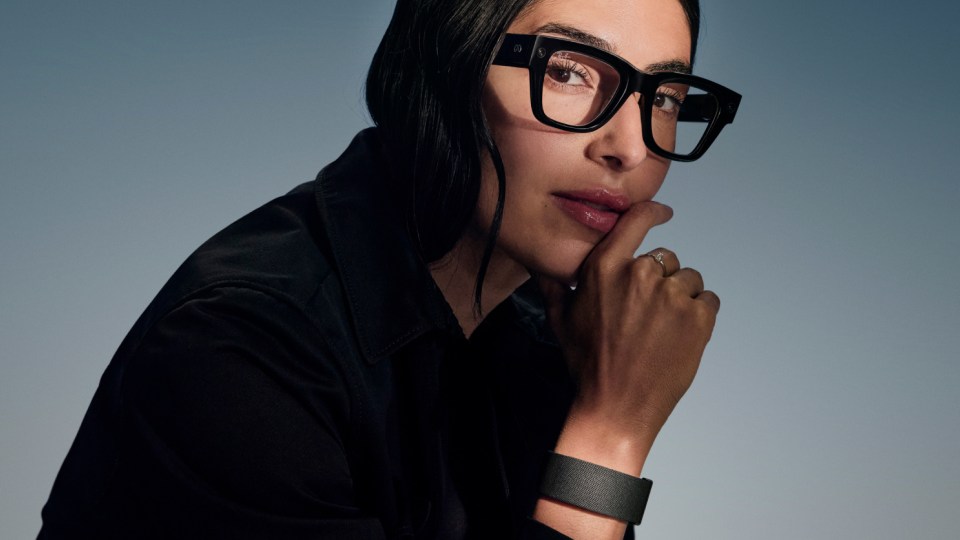
The frames come in two new styles, Clubmaster and Burbank, across 23 colour and lens combinations. Both styles are confirmed prescription-compatible, which matters if you actually need glasses rather than treating this as a fashion accessory. As a prescription glass wearer myself, I will be watching closely what getting prescription lenses fitted actually involves. Based on Meta’s existing process for other Ray-Ban Meta frames, you order through Ray-Ban.com or a certified optical retailer, you need a valid current prescription including your pupillary distance measurement, and both single vision and progressive lenses are supported. The frame’s electronic housing does limit lens size, which can matter for progressive wearers in particular. Meta has not yet published an Audio-specific prescription range, so if you have a strong prescription or significant astigmatism, it is worth waiting for that detail before pre-ordering lenses. The general Ray-Ban Meta range runs from around minus 12.00 to plus 6.00 total power through EssilorLuxottica optical retailers, with Meta’s own direct service covering a narrower band of roughly minus 6.00 to plus 2.25. I will report back once units are in hand and the prescription process becomes clearer.
What stood out
The feature set is focused rather than sprawling. The Ray-Ban Meta Audio handles calls, plays music and podcasts in open-ear fashion, and gives you access to Meta AI via a button tap or the “Hey Meta” wake word. Six microphones handle voice pickup for calls and AI queries. Meta is also working on bringing its Muse AI agent to the glasses, though the exact relationship between any subscription and the base experience has not been fully detailed yet.
Open-ear audio is genuinely useful for staying aware of your surroundings, whether you are walking the kids to school or navigating a busy commute. It is a different use case from noise-cancelling earbuds and not a direct replacement. If you are interested in how AI assistants are weaving into everyday family life more broadly, the AI and Privacy: What Your Smart Devices Are Really Doing With Your Data piece covers territory that is directly relevant here.
Tom’s Guide noted that the speakers sound roughly comparable to the camera-equipped Ray-Ban Meta models, which is decent for what they do. Those are journalist observations from brief handling, not independently tested results, and they should be treated accordingly until proper third-party reviews arrive.
What is still unknown
Several things matter here and are not yet answered.
UK pricing has not been confirmed. The glasses start from US $349, which converts to roughly £275 to £280 at current exchange rates, but that is an approximation and not a confirmed retail figure. The device is confirmed for 14 European markets including the UK, with local pricing still to be announced. Do not pre-order on the assumption that the sterling price will track the dollar figure directly.
The privacy picture is not entirely clean either. The cameras are gone, but the microphones remain. They still listen for a wake word, and voice queries still travel to Meta’s servers. That is the same trade-off as any voice assistant tied to a speaker or phone, and it is a smaller concern than a camera worn on your face. But they are still Meta microphones on your face all day, and Meta did not announce any specific new privacy controls for this model at Connect.
For prescription wearers, the Audio-specific prescription range is another outstanding detail. If your prescription sits at the stronger end of the scale, that information is essential before committing. And whether lenses from the Clubmaster and Burbank frames fit the same Rx range as existing Ray-Ban Meta models is not yet confirmed.
What is next
Pre-orders are open now from the Meta Store , with shipping confirmed for 13 October 2026. The Ray-Ban Meta Gen 3, which keeps the camera and starts from US $449, ships at the same time for those who want the full recording capability.
I will be keeping a close eye on early owner reports and independent audio tests once units reach reviewers. I am particularly interested in the prescription ordering experience once glasses are actually shipping, and I will document that process properly when the time comes. If the battery and audio claims hold up in practice, this is a product that makes a straightforward argument: open-ear AI audio, comfortable weight, and no camera pointed at the world around you. Whether that combination at this price justifies a purchase over a decent pair of wireless earbuds is the question a proper review will need to answer. That piece will come once I have had real time with a pair.