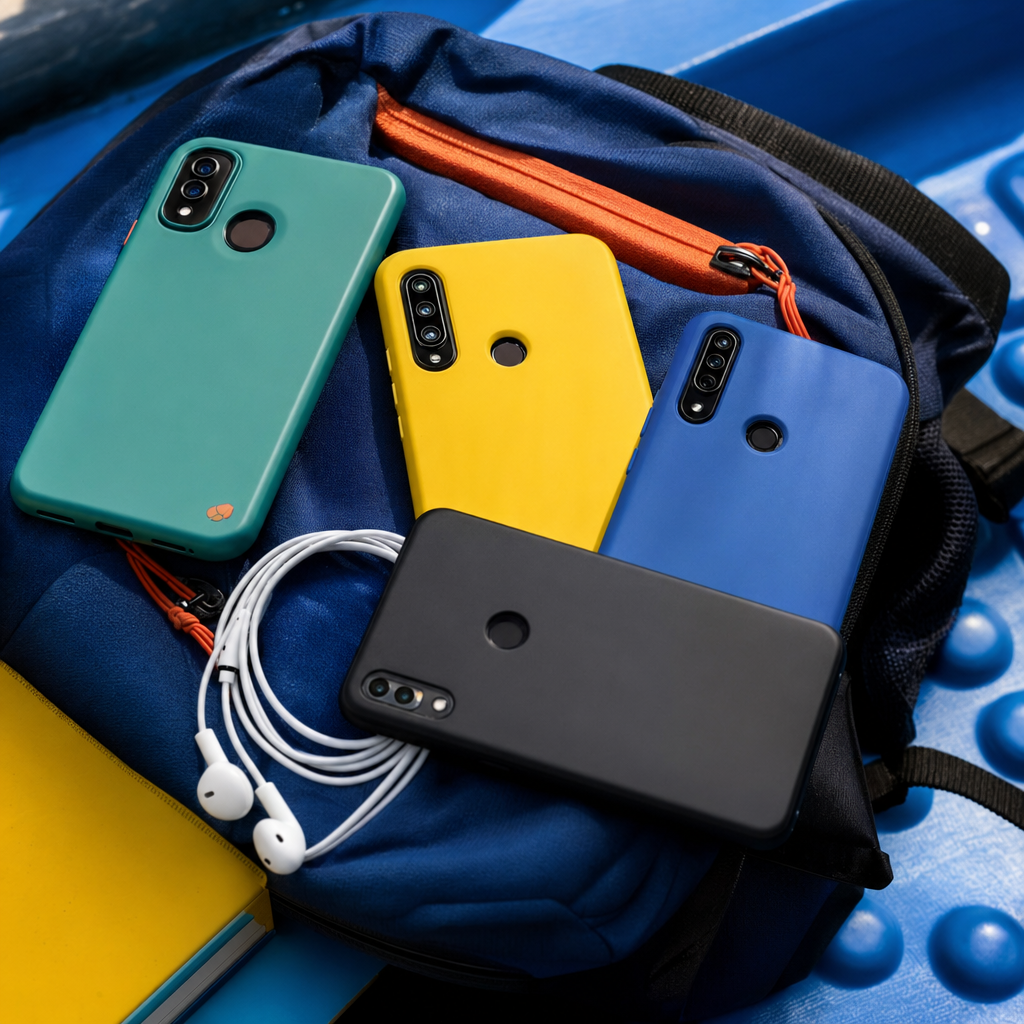
When my eldest turned 17, his phone was on its last legs. The battery lasted about four hours, the camera had developed a mysterious dark patch in the bottom corner, and he had started holding it at a slight angle to keep it working. New phone time.
The brief from him was clear: it needed to be good enough that he was not embarrassed by it, run the apps and games he uses, have a decent camera for the content he makes, and ideally not cost more than my car insurance. The brief from me was equally clear: under £300 ($380), reliable, and with a reasonable software update lifespan.
This is the guide I wish I had had when I started that research.
What Budget Actually Means in 2026
The premium smartphone market - the flagship iPhone and Galaxy S range - has pushed towards £1,000 to £1,300 ($1,250 to $1,650). Against that backdrop, “budget” has shifted. What I mean by budget here is £150 to £300 ($190 to $380), which in 2026 buys you a genuinely capable smartphone rather than the compromised experience it would have produced three years ago.
The improvements in mid-range and budget phone hardware over the last two years have been significant. Chips that would have been considered mid-tier flagship in 2023 now appear in phones costing £200. Camera systems that would have been premium in 2022 are now available at £250. The gap between budget and premium is primarily about camera quality, premium materials, and status - all of which matter to different degrees depending on your teenager.
Samsung Galaxy A36
Around £280 ($350), the Samsung Galaxy A36 is the phone I would recommend to most parents of teenagers in 2026. It runs One UI on Android, has full Google Play access, a 6.6-inch bright AMOLED display, and a triple camera system that produces genuinely good photos.
The processor (Snapdragon 6 Gen 3) is fast enough for demanding apps and games. 6GB RAM handles multitasking comfortably. Battery life is exceptional - consistently 18 to 24 hours of mixed use in real-world testing.
Samsung promises four years of Android OS updates and five years of security updates from launch, which means a phone bought now will stay supported until 2030. That longevity matters and is better than most competitors at this price.
The camera is the headline feature at this price point. The main 50MP sensor takes photos that will satisfy most teenagers, including decent low-light performance. It is not flagship quality, but it is not embarrassing.
The downside is Samsung’s One UI software layer, which comes with more pre-installed apps than you might want. Most can be disabled if not uninstalled.
Google Pixel 8a
Around £350 to £499 ($440 to $625) depending on where you buy - slightly above our ceiling but worth mentioning because refurbished models regularly appear for under £280 on sites like Back Market and Music Magpie.
The Pixel 8a has arguably the best camera in this price range. Google’s computational photography is exceptional and the AI photography features - Magic Eraser, Best Take, Photo Unblur - are genuinely useful for teenagers who care about their photos.
Seven years of Android updates from Google is the longest support period of any Android phone at this price. Buying a Pixel 8a today means supported security updates until 2031.
If your teenager cares about camera quality more than anything else, the Pixel 8a is the phone to stretch the budget for.
Nothing Phone (3a)
At around £319 ($400), the Nothing Phone (3a) is genuinely interesting for teenagers who want something that looks different. Nothing’s transparent back with the Glyph Interface lighting system makes it instantly distinctive, which matters to some teenagers more than any spec sheet.
Performance is solid, camera quality is competitive, and Nothing OS is clean and fast. The Glyph system - which uses LED patterns on the back to show notifications, charging status, and caller ID - is a genuine differentiator rather than a gimmick.
Software update support from Nothing is the risk. As a smaller company, their track record on updates is shorter than Samsung or Google. Worth checking their current commitments before buying.
For a teenager who wants to stand out rather than have the “standard” option, this is worth the slight premium over the Galaxy A36.
Motorola Moto G85
At around £200 to £220 ($250 to $275), the Moto G85 is the pick if budget is a harder constraint. For the price it delivers a 6.67-inch AMOLED display, a solid 50MP camera, and clean Android software with minimal bloatware.
Performance is a step below the Galaxy A36 in demanding use - it handles apps and social media well but may show strain with very demanding games. For a teenager who uses their phone primarily for social media, music, photos, and messaging, it is more than adequate.
Motorola’s software update commitment is modest - two years of Android updates. This is the main compromise at this price.
What About the iPhone?
For a teenager in a household where everyone else uses iPhones (iMessage, FaceTime, AirDrop), the social integration arguments for an iPhone are real and worth acknowledging. The iPhone 16e starts at around £599 ($599), which is above this guide’s range. The iPhone 15 can be found new for around £400 to £500 - still above our ceiling.
Refurbished iPhone 13 or iPhone 14 models from reputable sellers (Apple’s own refurbished store, or certified refurbished on sites like Backmarket) offer Apple’s exceptionally long software support at closer to our price range. An iPhone 13 bought refurbished in 2026 will receive iOS updates for at least three more years.
If your household is Apple-based and the pressure to have an iPhone is significant, a refurbished iPhone 13 at around £250 to £280 from a reputable seller is a reasonable option.
The Family Angle
A few practical things worth noting. A case is not optional - teenagers drop phones. Budget a further £15 to £20 for a protective case at purchase.
Screen protectors are more debated. Tempered glass screen protectors are cheap and provide genuine protection. Some find them affect touch sensitivity. At minimum, buy one for the first few months while the new-phone carefulness wears off.
Consider the second-hand market seriously. Refurbished phones from reputable sellers often come with warranties and deliver better value than buying new at the same price point. The environmental argument is also worth making to teenagers who care about it.
Whatever you buy, taking 20 minutes to set up Google Family Link or Screen Time before handing it over is far easier than trying to add parental controls after the phone has been in use for a month.
For more buying guides and tech picks at real family budgets, join the Tech Dads Life newsletter at Tech Dads Life on Beehiiv .
What I Would Actually Buy and Why
I have three kids at various stages of the technology journey. The eldest got a hand-me-down Pixel when they were ready for a smartphone, the middle one is on a Galaxy A-series, and the youngest is not there yet. Here is what I have actually learned from the process rather than from spec sheets.
The first phone is almost never the right phone. It gets dropped, borrowed, left on a bus, or simply outgrown within 18 months as tastes develop and peer groups shift what feels cool. Spending £350 on a first phone is a significant financial risk, and it also removes the natural upgrade moment when you buy something better second time around. I would aim for the £150 to £220 range on a first phone and save the serious budget for the second one.
Software updates matter more than the spec sheet. The number I look at first is how long the manufacturer has committed to security updates. A £200 phone with five years of security updates is a better two-year phone than a £250 phone with two years of updates. Samsung’s Galaxy A-series commitments, and especially Google’s seven-year commitment on Pixel, stand out in this bracket.
The camera is what they will actually use. Not the processor. Not the RAM. The camera. Before buying, look at actual photo samples from the model you are considering - YouTube comparisons from real-world shooting are more useful than manufacturer specs. The gap between a good camera phone and a mediocre one at the same price point is significant and visible in every photo they take.
On parental controls: whatever you decide to put in place, have the conversation before you hand the phone over rather than installing things silently. Teenagers who know the controls are there and understand why tend to handle them better than those who discover them later and feel surveilled. Google Family Link and Apple Screen Time both allow you to set things together with your teenager, which is a much more sustainable approach than the adversarial alternative.
The choice I would make in 2026: Samsung Galaxy A36 for most families - reliable, well-supported, good enough camera, the right price. Pixel 8a refurbished if the camera matters most. Motorola Moto G85 if the budget is firm and you need to spend under £220. Nothing Phone (3a) if they will genuinely appreciate having something that looks different from everyone else’s phone.