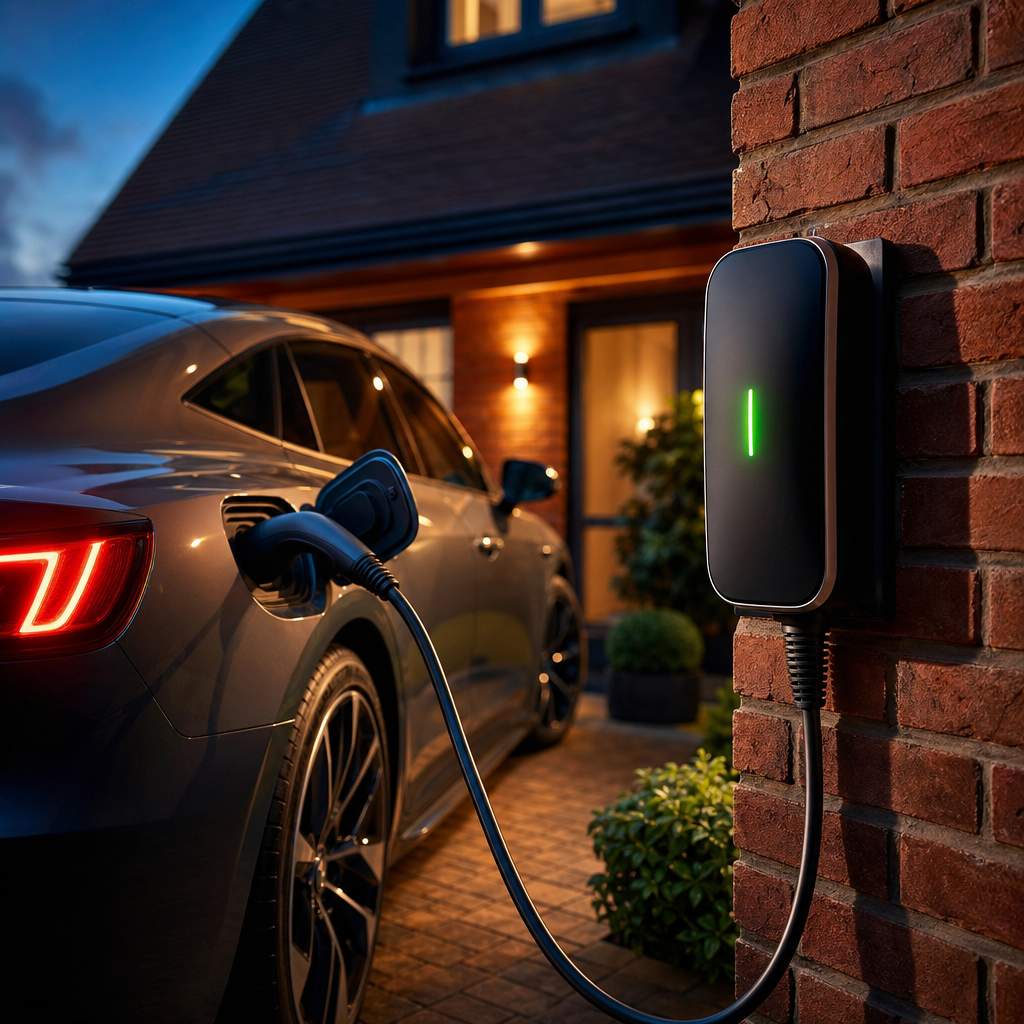
Buying an electric car feels like a smart move until you sit down and try to figure out what financial help you are actually entitled to. I went through this myself when I picked up my Tesla Model 3 a few years back, and the number of times I nearly claimed something I was not eligible for, or nearly missed something I was, was genuinely embarrassing for someone who spends half his life researching technology. The UK government’s EV incentive landscape has never been the most straightforward thing to navigate, and the April 2026 restructure has reshuffled the deck again. Some schemes have been extended, some have quietly closed, and a few have actually got more generous. This guide cuts through it and tells you exactly what you can still claim right now.
Before You Start
A quick but important note before we get into the individual schemes. The government’s OZEV grant programme has just entered what is effectively its final year in its current form. Five schemes have been extended until 31 March 2027, but this is confirmed as the last year of the current structure. That is not editorial dramatics, that is straight from OZEV. If you have been sitting on this, 2026 is the year to actually do something about it. Also worth flagging upfront: if you are a homeowner with a driveway, there is currently no OZEV home charger grant available to you. This trips a lot of people up, and it is a genuine gap in the scheme. I will explain who does qualify below.
Step 1: Work Out Which Category You Fall Into
There are five live schemes right now. Before you start filling in anything, you need to identify which one applies to you. The four main categories are:
- Renters and flat owners (residential, with allocated parking)
- Residential landlords (renting out property with parking)
- Businesses, charities, and public sector organisations (workplace charging)
- State-funded education institutions (schools, colleges, universities)
If you are a homeowner who owns a house with a driveway, you do not currently qualify for any OZEV home charger grant. That is the short version. Do not apply and assume it will be sorted later. The grant will not be paid and you cannot claim retrospectively once your charger is already installed.
Step 2: The EV Chargepoint Grant for Renters and Flat Owners
This is the one most people do not realise exists, and it is actually one of the better ones on the list.
Who qualifies: You must either own and live in a flat, or be renting any residential property. You must have private off-street or allocated parking where the charger will be installed. You must also own or have ordered a qualifying electric vehicle, either fully electric or a plug-in hybrid. The car does not have to be registered at the property.
How much: From 1 April 2026, the grant increased from £350 to £500 per socket. Residents can apply for one socket. Landlords can apply for up to 200 sockets across their sites.
How to apply: This is where things changed in April 2026. The scheme moved to the government’s new Find a Grant platform. You register directly for a Find a Grant account and apply yourself, rather than going through an installer to receive a link. Go to gov.uk and search for “EV chargepoint grant” to find the current application page.
Critical rule: Do not install your charger before you receive eligibility confirmation. If the charger goes in before the grant is approved, you cannot claim. Full stop.
Documents you will need:
- A utility bill less than three months old, showing your name and property address
- Written permission from your landlord or property manager, which must name the person giving permission and refer to you by name and address
How the money works: The grant is not paid to you as cash. Your OZEV-approved installer claims it on your behalf and takes the amount off your final invoice. You pay the remainder. You must use an installer on the OZEV approved list. Using someone who is not on that list means no grant, even if they do perfectly good work.
Ineligibility triggers: You cannot apply if you have already installed the charger, already claimed this grant, or previously claimed through the old Electric Vehicle Homecharge Scheme or Domestic Recharge Scheme. The grant also cannot be given if the chargepoint installation was a mandatory requirement, for example in buildings under construction or being renovated where Part S Regulations apply.
Step 3: The Residential Landlord Chargepoint Grant
If you rent out property and want to install EV chargers for your tenants, this runs on essentially the same terms as the renter scheme above. The grant rate increased to £500 per socket from 1 April 2026, and you can apply for up to 200 sockets across your properties. Funding runs until 31 March 2027. The same Find a Grant platform applies, the same installer rules apply, and the same rule about not installing before approval applies.
Step 4: The Workplace Charging Scheme
This one is aimed at employers rather than individuals, but if you run a business or work for one with a company car or fleet, it is well worth flagging to whoever handles facilities or HR.
Who qualifies: Businesses, charities, public sector organisations, and small accommodation businesses. The scheme covers England, Wales, Scotland, and Northern Ireland. It is not available in the Channel Islands or the Isle of Man.
How much: From 1 April 2026, the grant covers 75% of purchase and installation costs, up to £500 per socket, for up to 40 sockets across all your sites.
Eligibility rules: You must own the property or have landlord consent for the installation. The parking must be dedicated off-road parking clearly associated with the premises, available to staff or fleet vehicles. It cannot be customer parking. It must be on-site or a reasonable distance from the workplace.
Tax bonus worth knowing: HMRC currently exempts employer-provided electricity for workplace EV charging from Benefit-in-Kind tax. This applies whether the employee drives a company car or their own personal EV. This exemption is confirmed through at least the 2027/28 tax year. For anyone running a small business, this is a meaningful perk to offer staff at relatively low cost.
Capital allowances: Businesses may also be able to claim 100% of EV charger installation costs as a capital allowance. Talk to your accountant about this, because when you stack it with the WCS grant, the actual net cost can be surprisingly small.
Step 5: WCS for State-Funded Education Institutions
If you work at a school, college, or university, this is one of the strongest grants currently available in the UK, and most people in the sector have no idea it exists.
How much: The grant covers 75% of costs, up to £2,000 per socket, for up to 40 sockets across all sites. It dropped from £2,500 per socket in April 2026, but it is still a substantial amount. If you have existing applications with vouchers already issued, those retain the higher £2,500 rate provided the vouchers are redeemed by September 2026.
Who to contact: The WCS application process runs through OZEV. The education institution must apply directly. If you are a teacher or administrator reading this, forward it to your estates or facilities team.
Step 6: Do Not Forget Salary Sacrifice
Salary sacrifice is not technically an OZEV grant, but it is one of the most valuable EV incentives still running in the UK and deserves a mention here. If your employer offers a salary sacrifice scheme for electric vehicles, you lease a car through your employer before income tax and National Insurance are deducted from your salary. The Benefit-in-Kind rate for fully electric cars is currently very low, which makes the numbers work significantly better than a standard lease or finance deal. Combined with the workplace charging exemption above, it is a genuinely compelling package for employed drivers. Ask your HR team whether your employer has a scheme in place.
If It Is Still Not Working
The most common reasons grant applications fail or get rejected are:
- Charger already installed. You cannot claim retrospectively under any of these schemes.
- Wrong installer. The installer must be on the OZEV approved list. Confirm this before signing anything.
- Missing or incorrect documentation. Utility bills must be less than three months old and must show your name and address. Landlord permission letters must name both parties explicitly.
If you are getting nowhere with an application, the GOV.UK guidance pages for each scheme have specific contact routes. Do not assume a rejection is final without checking the reason.
The good news is that for renters, flat owners, employers, and anyone in the education sector, there is still real money on the table right now. These schemes run until 31 March 2027, but given that this is confirmed as the final year of the current structure, I would not leave it until February to start the process. Do it now, do it properly, and actually get the money you are entitled to.
Got a question about your specific situation or found a wrinkle in the application process? Drop it in the comments or come and ask in the newsletter community, where this kind of thing comes up regularly.
Want more guides like this? The Tech Dads Life newsletter goes out regularly and covers exactly this kind of practical, no-nonsense tech and family life content. Join the community at techdadslife.beehiiv.com and never miss a post.